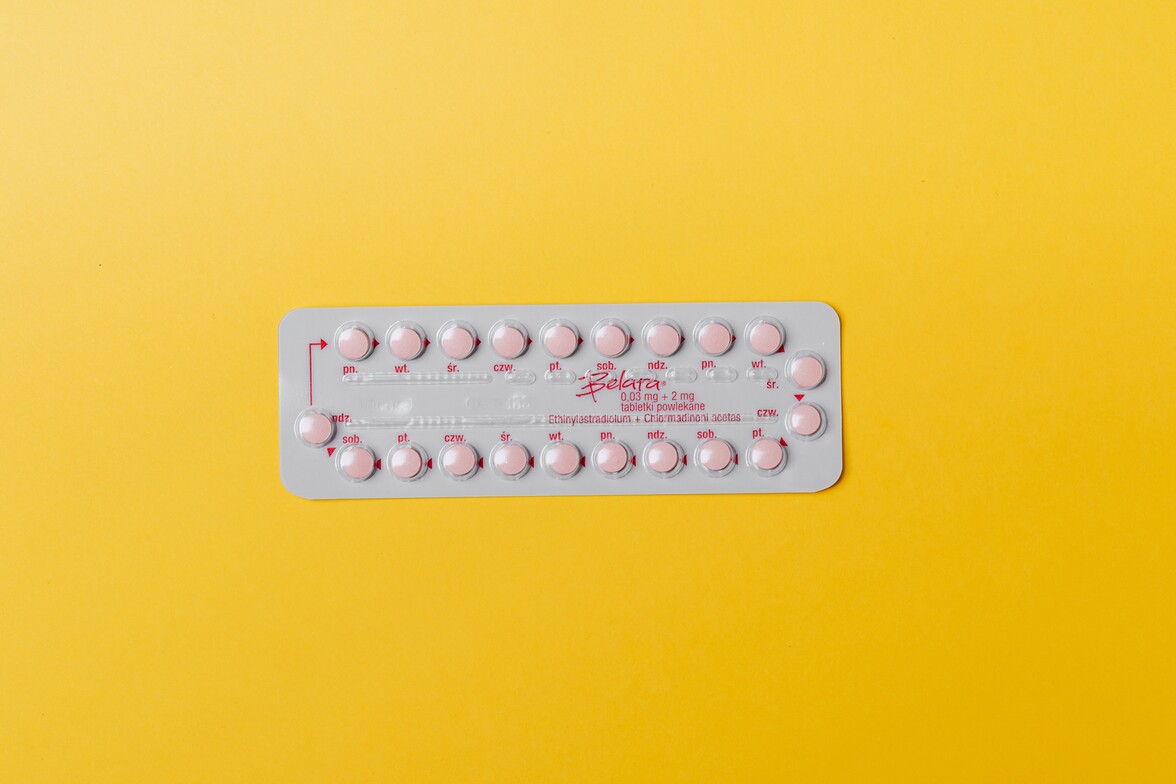
If your period hasn’t returned after stopping birth control, it’s easy to assume that the pill is to blame. While hormonal birth control can temporarily delay the return of your menstrual cycle, it definetly does not cause hypothalamic amenorrhea (HA).
This distinction is important because it changes how you approach recovery.
What Happens After You Stop Birth Control?
Depending on what you're using, hormonal birth control works by suppressing ovulation, impairing sperm, or by making the enviornment of your uterus inhospitable for egg implantation. Once you stop taking it, your brain and ovaries need time to resume normal communication. This system, which is called the HPO axis, needs time to find its footing again and prepare to get you to naturally ovualte again.
For many women, ovulation and menstrual cycles return within a few weeks to a few months after stopping contraceptives.
If your period hasn’t returned after several months, it’s a sign that something else may be preventing ovulation.
What Actually Causes Hypothalamic Amenorrhea?
Hypothalamic amenorrhea (HA) occurs when the hypothalamus- the part of the brain that regulates reproduction - reduces the release of hormones needed for ovulation. This typically happens when the body perceives that it doesn’t have enough resources to support a pregnancy.
Common triggers include:
- Chronic under-fueling or not eating enough calories
- Excessive exercise or high volume training
- Rapid weight loss
- Psychological stress
- A combination of these factors
In other words, HA develops because of an energy or stress imbalance—not because you took birth control.
Why It Looks Like Birth Control Is the Cause
Many women begin hormonal birth control during their teenage years or early twenties. While taking it, the monthly withdrawal bleed, or lack thereof in certain cases, can mask the fact that ovulation isn’t occurring naturally. So we become accustom to "missing our period" or going months without having a withdrawl bleed.
Then, when birth control is discontinued, and your period never shows back up... it can seem like stopping the pill caused the problem. When in reality, birth control simply revealed an issue that was already present or that developed while using it.
In some cases, women also increase their exercise, diet more aggressively, or experience significant life stress while taking birthcontrol or after stopping it. These factors—not the pill itself—can contribute to HA.
But while taking these synthetic hormones it can easily mask the development of HA going on behnd the scenes.
You Dont Need More Birth Control to "Fix HA"
Birth control doesn’t cause hypothalamic amenorrhea- and HA is not a matter of birth control deficiency. Just becasue your period has gone missing since stopping birthcontrol- does not mean that you need MORE birthcontrol to fix the problem.
Instead, think of it like this. You have uncovered an underlying issue with your hormones that was previously hidden by hormonal contraception.
If your period hasn’t returned several months after stopping birth control, it’s important to investigate the underlying cause rather than assuming your body simply needs more time or more synthetic hormones.
Restoring adequate energy intake, reducing unnecessary stress, and addressing lifestyle factors are often key steps in recovering from hypothalamic amenorrhea.
Your body isn’t “dependent” on birth control- it simply needs the right conditions to feel safe enough to ovulate again on its own.
Does This Sound Like You? If So I Want to Help
If you've recently discovered your period has been missing for a little tooo long after stopping birth control and are starting to explore HA. I got you.
Book a FREE discovery call with me and we can talk about all things period loss, birth control, hypothalamic amenorrhea, and recovery.
I also invite you to listen to all things HA and period recovery on my show "The Holistic Period Recovery Podcast" on Spotify or Apple Podcast! Submit any questions you want answered on my Q+A's on the 'About' page of this website!

Rebecca Pinho
Contact Me